Mary:
For the first story, I didn’t do a deep dive into the history of arranged marriages in Japan (called “Omiai”). But, I believe that now in 2022, arranged marriages are much more of a rarity than they were 50 years ago.
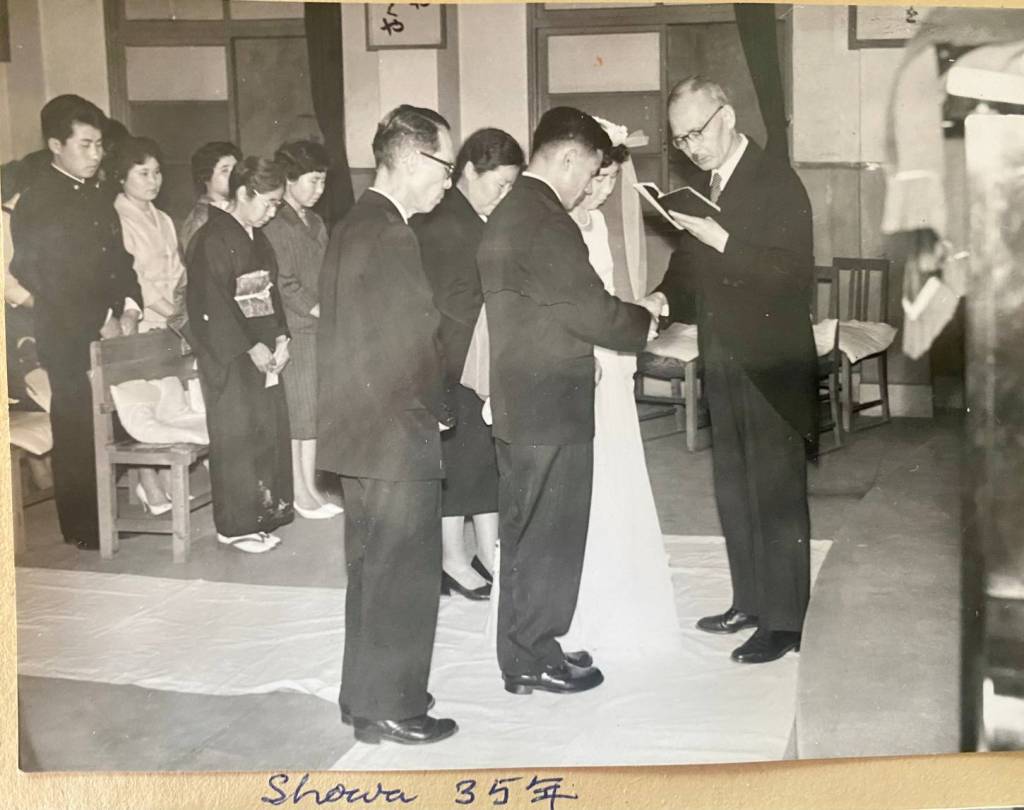
With that said, the story June tells isn’t quite an arranged marriage in the strictest sense; each person involved had a choice and ended up wanting to get married in these cases. Think of it as June being ahead of her time and was filling the role of an app on your phone and came up with matches using her own algorithm. Here are her words:
June:
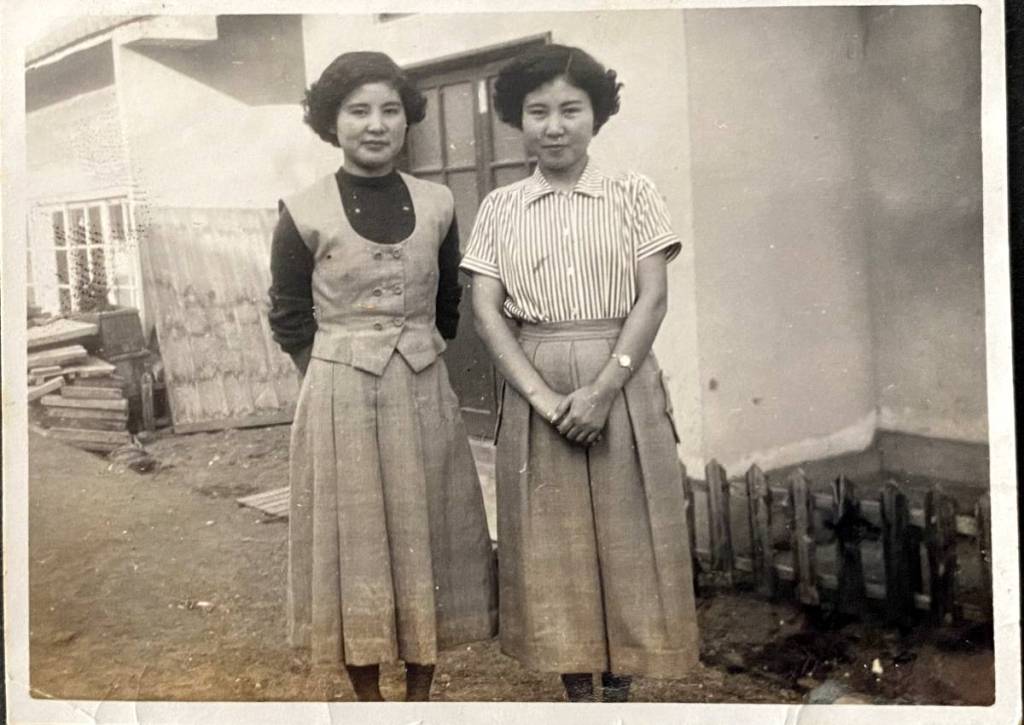
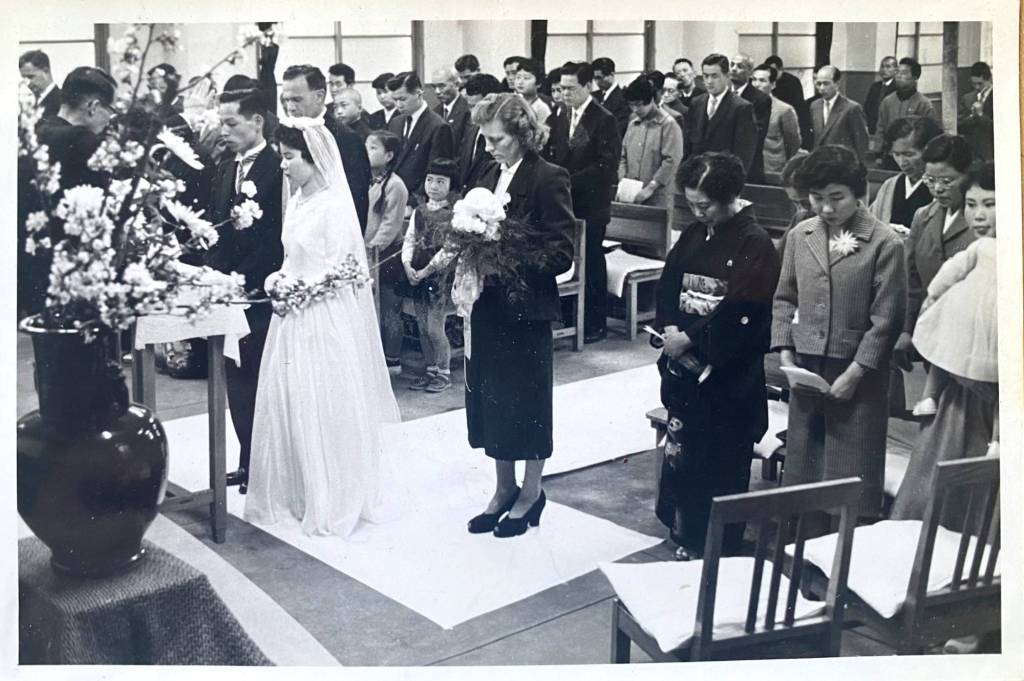
We kept in touch with our Japanese friends who were part of our church while we were in Beppu. Among them were two sisters, Teriko and Yoriko.
In those days in Japan, marriages were often partly arranged by a go-between. The young people had the final choice, but introductions were formerly made by a go-between person.
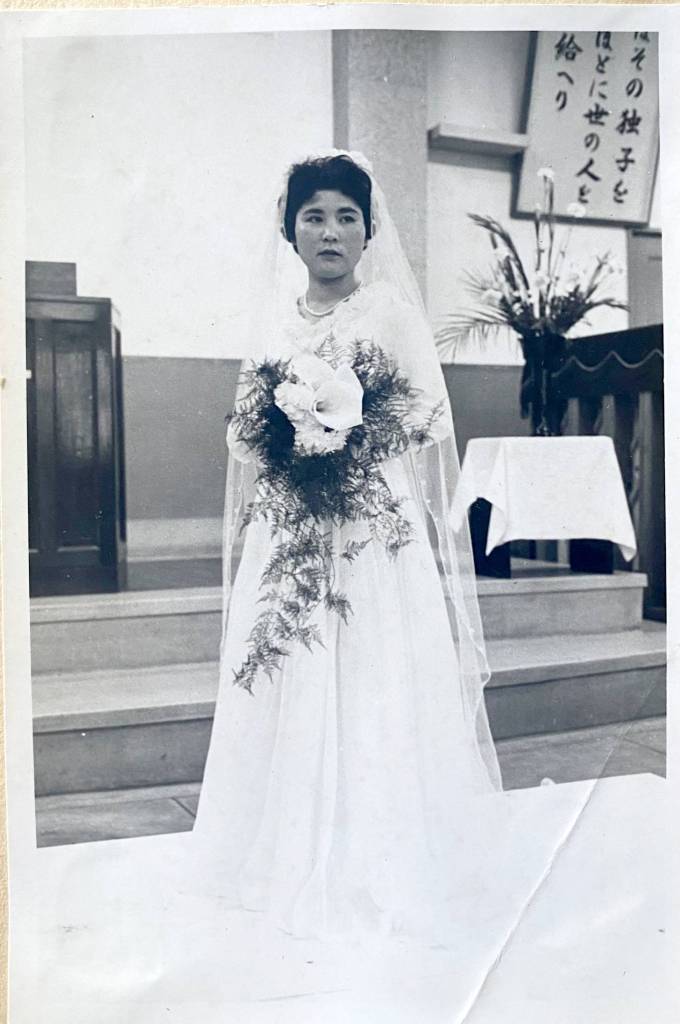
I had the opportunity to arrange a Christian marriage for Teriko with a young man who had just graduated from the Japan Evangelistic Band Bible College. His name was Mr. Miura. At his graduation ceremony he said that instead of going as an assistant pastor to an established church, he wanted to go where there were no Christian churches, to get one started. I thought, “A man of that caliber is worthy of my beloved Teriko” Later I had a talk to Teriko about Mr. Miura.
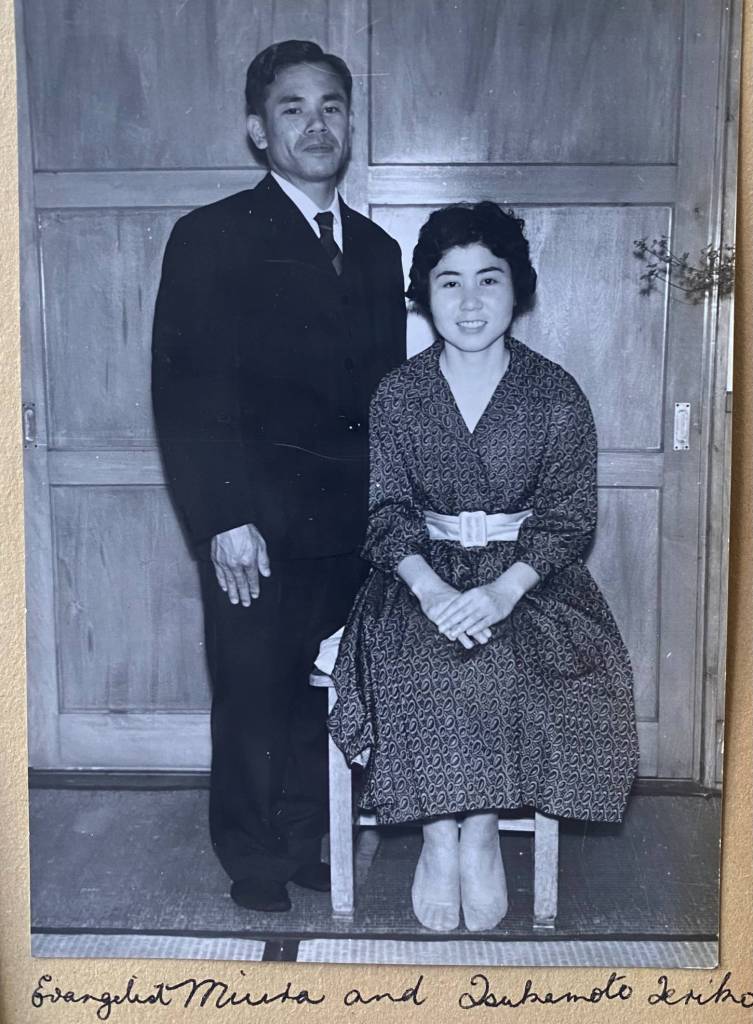
Teriko said, “I would like to marry the man whom you have recommended but I have a responsibility to my family. My father is dying of cancer, my older sister is married, and my young brother is still in university. It is the custom for the boy to care for his parents and I must work to support him through university before I can marry”.
The young Bible College graduate, Mr. Miura, said he would wait for Teriko. Some years later Teriko married Mr. Miura who had waited for her.
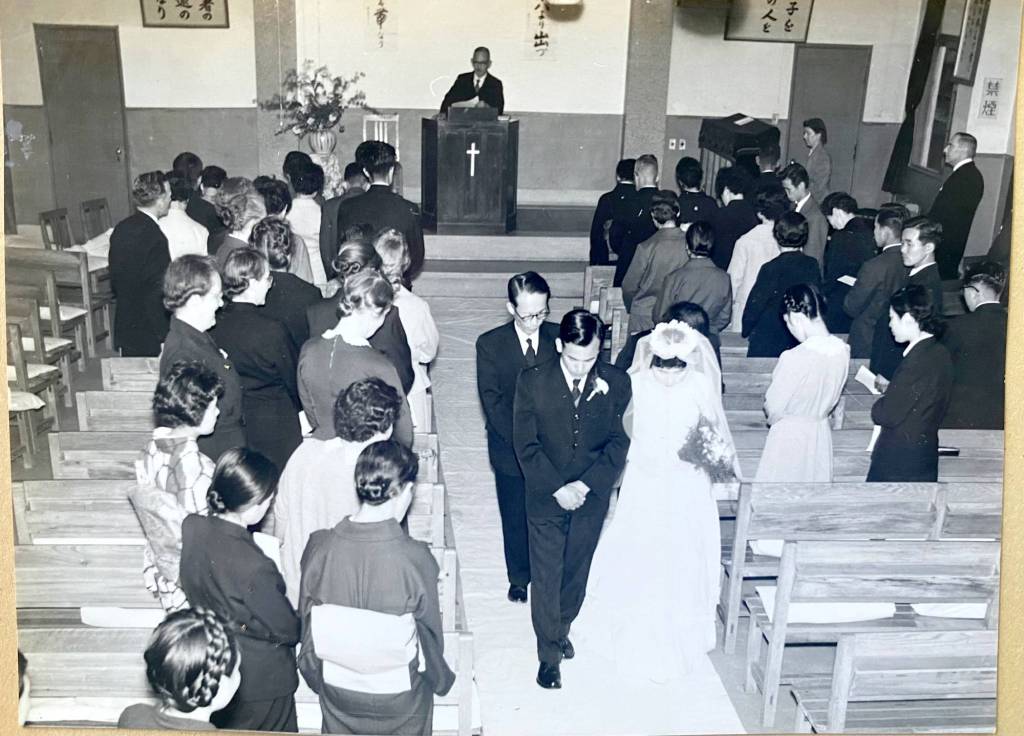
Together, they went to work in a village in Shikoku Island and started a church. They had three boys. Unfortunately, Mr. Miura died at an early age. Teriko, who now belonged to the Japan Evangelistic Band, moved to a larger town in Shikoku Island.
After Mr. Miura passed away many people, including churches of different denominations, donated money so that Teriko was able to build a church with a house adjoining. Milton and I went to visit her from Kobe by taking a ferry and then a bus. The bus road was so narrow that some telephone posts and some shop roofs had a hole cut out at the level of a bus mirror so the bus could pass without bumping.
When we attended the church, I noticed that the men sat on the right side of the church and the women sat on the left side of the church. Even married couples were seated separately this way. I asked Teriko why married couples and even boyfriends and girlfriends did not sit together. She seemed shocked. “If that was the custom, how do you think a single person would feel?” she asked. I felt admiration for their consideration of the single people.
There were a few of the Christian young people meeting in our Kobe home that found a suitable partner among the group and married. Teriko’s sister, Yoriko also married a Christian man from the Young People’s Bible Study meeting in our Kobe home.
Mary:
That’s all June wrote on weddings she helped instigate, but if memory serves me, even when we moved to Tokyo, she was still in the match-making game. Two of the first people to become part of our small church (in our home) in Tokyo were two good friends Mr. Yoshida and Mr. Ishikawa. I am going to guess they were in their 50’s at the time.
By the way, it may be a generational thing, but I only knew the first names of the younger people. Mr. Yoshida and Ishikawa were way too old for me, as a teenager, to even be curious about their first names! As I remember, Mr. Yoshida was married but Mr. Ishikawa was a widower.

It didn’t take mom long to realize she knew a Christian woman about his age, and she arranged for them to meet. The woman had to travel a good distance to meet Mr. Ishikawa and I vaguely remember thinking this is never going to work. I think I even scoffed at the the idea to Mom. But they made a connection and ended up getting married.
Mary:
The second story has the theme of lost items. While I was not part of the “finding” in this case, I have fond memories of Dad asking me to help him find lost objects calling me “eagle eyes” so this story makes me smile
Milton:
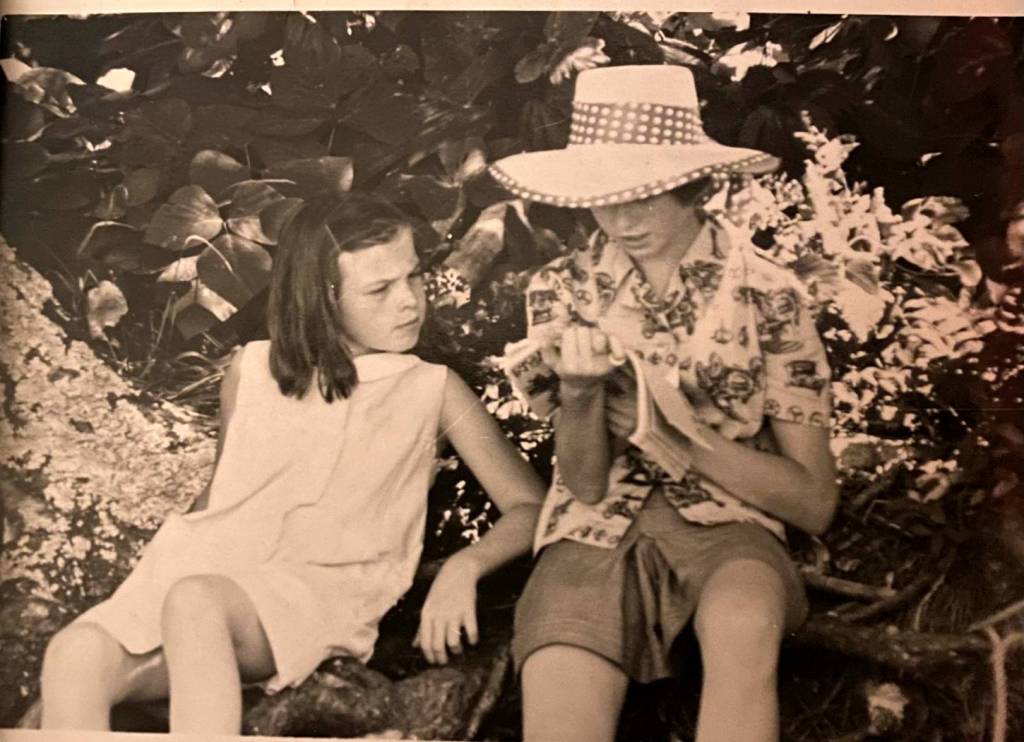
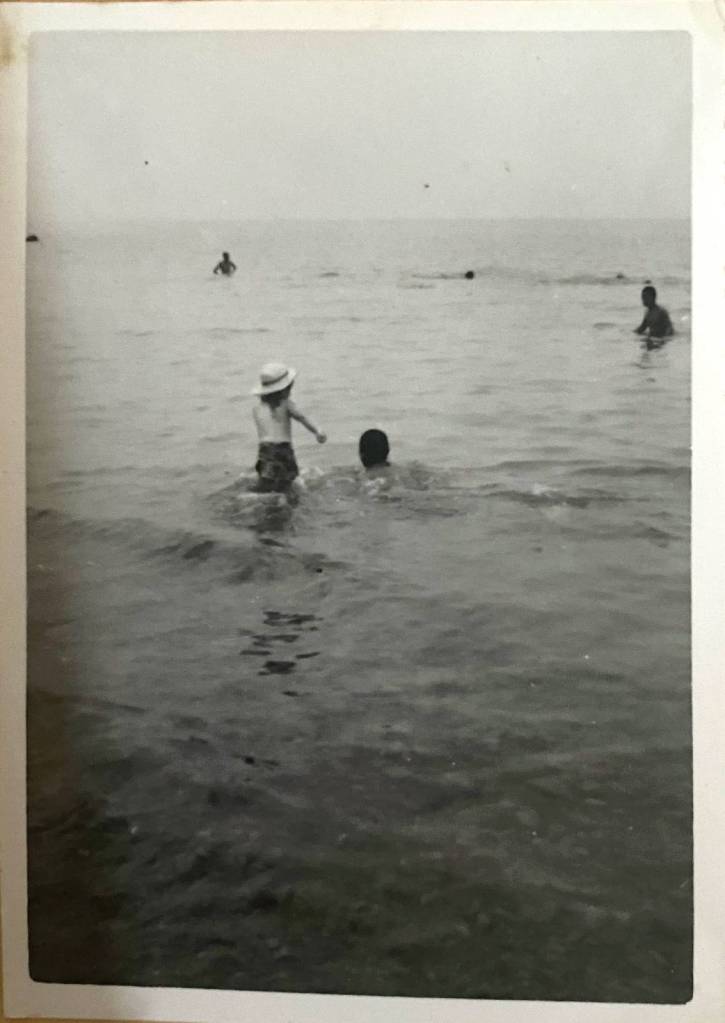
To tell friends about the wonderful youth in our ministry, I decided to make a movie. A missionary lent me a 16mm camera and in the courage of ignorance I started. I took some shots at our summer camp and to make it as interesting as possible, I waded out into Lake Biwa and shot from as close as I dared from water level.
After that, I wandered back into the large hut to change the film. Marge came running in with a little metal object.
“Is this part of your camera, Daddy?” she asked.
I looked at it and the machine. It was but what it was used for I didn’t know. I asked her where she found it.
“Down on the sand” she replied.
I shivered. “What if I had dropped it when I was out in the lake? Thank you, Lord.” I prayed.
After Marge left, I decided to unscrew the little clasp that had held the found portion and put them safely with the tiny screws in a box. I didn’t need them for the simple work I was doing, and they would be safe. My problem was to find a suitable box. Our camp consisted of a long Army Quonset hut and tents. There were no cupboards and few shelves. I spotted Marge’s little box that held her hairpins and accessories.
“Marge is the one tidy person in our establishment” I mumbled as I put my screws and little gadgets in the box. I went out for a swim.
Later in the afternoon, Marge came running up to me with the little gadget again.
“Isn’t this the thing I gave you before?” she asked.
“Yes, it is. I dropped it in your box for safety. Why?”
“Well, I was doing my hair on the beach and someone kicked my box and the stuff fell out and I found this.”
I wanted to faint.
“Let me have the box,” I asked. I looked in and one screw had got stuck in the corner. The other one was missing.
“Just where were you? Take me there. I have lost a vital tiny screw.” I said.
We walked down to a place under a tree. Marge pointed to the spot.
“Well, let’s just stand here and stare at the ground,” I suggested, “If we move the sand it will cover the screw forever. If we just stare it might come into focus.”
So, we stood there as still as posts, staring at the ground. We must have looked like nuts looking for a screw. In a few minutes, Dave came pounding along the sand. He rushed around me and stopped on my staring spot, looked into my downcast eyes, and said:
“What are you looking for, Dad?”
“I was looking for a screw but it’s too late now,” I moaned, “Oh Lord, help me, this was a borrowed machine.”
Dave said, “Screw? What’s this?” Right at his big toe, he picked up the tiniest screw you could imagine. I don’t think I would have seen it without him. So, I understood that God was interested in the little things too.
The camp finished, the film was made, and the work went on.
Mary:
In December of 2013, Dad preached a short sermon at the small church he and Mom and started for Japanese people living in Sydney. This was over twenty years since they had gone back to Australia from Japan. I didn’t realize it at the time, but it would be the last time I would hear my father preach. And he told a story about losing his glasses in a hotel on a trip he had taken to Japan not too many years previously. The theme was what he alluded to in his story of the screws in the sand that he wrote forty years previously. God is interested in the little things. It is important to turn to God in prayer for everything, even when the need seems to be too small.
Dad seemed to be always misplacing items and I chuckle to think about how many times he cried out to God to help him find his keys, letters, checks, screws, or whatever it was. He made his request known to God.


ahh Dad, such a sweet soul, brings tears to my eyes.
LikeLike
I know. It’s sometimes hard to write. I miss him so much
LikeLike
me too,
LikeLike